

Funding contract number
33PTE of 27/05/2020
Funded by UEFISCDI – Programme 2 – Increasing the competitiveness of the Romanian economy through research, development and innovation – Subprogramme 2.1 – Competitiveness through research, development and innovation – Technology transfer to businesses
Project duration
24 months
Partner – INCDTIM
Coordinator – Union CO SRL
Abstract
As awareness of environmental protection grows, the disposal of all forms of hazardous waste has become a major concern for industry. Precious metals can be successfully recovered from waste, which is regarded as a secondary source of raw materials. Precious metals are used in a wide range of applications, including electronic and communications equipment, spacecraft and jet engines, mobile phones and catalytic converters. The project entitled “Implementation of technology for recovering platinum group metals from automotive catalysts” (AUTOCAT) addresses Field 3: Eco-nanotechnologies and advanced materials, 3.2: Pollution abatement technologies. Its results take the form of an implemented technology through which automotive catalysts are fully recycled, thereby helping to reduce environmental pollution. The project's purpose is to expand the recovery of waste containing platinum group precious metals by transferring and implementing technology for their recovery from spent automotive catalysts or ceramic catalysts used in the chemical, petrochemical and other industries, on an existing precious metal recovery processing line.
Consortium
Coordinator (CO) – UNION CO SRL
| Name | Project role |
|---|---|
| Dezso Tibor | Project Director |
| Nagy Zoltan | Chemical Engineer |
| Nagy Ruben | Researcher |
| Katona Gabriel | Researcher |
| Bors Tihamer Elod | Technician |
Partner P1 – National Institute for Research and Development of Isotopic and Molecular Technologies (INCDTIM)
| Name | Project role |
|---|---|
| Lazar Mihaela Diana | Partner Lead |
| Socaci Crina | Researcher |
| Voica Cezara | Researcher |
| Dan Monica | Researcher |
| Mihet Maria | Researcher |
| Turza Alexandru | PhD Student |
| Cosma Dragos | PhD Student |
| Oltean Sorin | Technician |
| Kasza Angela | Engineer |
Objectives
The main objective is to expand the capacity to recover platinum group precious metals from various automotive industry catalysts. The following secondary objectives will be pursued to achieve this purpose:
O1. Optimise the laboratory-scale chemical technology
O2. Adapt and transfer the laboratory technology to the existing process
O3. Optimise purification of the recovered precious metals
Results
Stage 1 – Optimisation of the laboratory-scale chemical technology, and adaptation and transfer of the laboratory technology to the existing process
The results obtained at this stage are:
(1) Products: (i) catalyst samples pre-treated by calcination in air at 600°C and reduction in hydrogen at 400°C; (ii) fully analysed samples of acidic aqueous solutions containing soluble platinum, palladium and rhodium compounds (the analysis report is attached for the samples with the highest platinum content, namely those dissolved in a HNO3+HCl+H2SO4 mixture at 30°C and 100°C);
(2) Methods: (i) a method for pre-treating spent catalysts by reduction in hydrogen; (ii) a laboratory method for dissolving platinum from spent catalysts; (iii) an adapted process flow;
(3) A scientific and technical report containing the experimental reports and the results obtained from dissolving metals from spent automotive catalysts.
In light of the above, we consider the objectives of this project stage to have been fully achieved. The groundwork has been laid for the successful execution of activities in the next implementation stage.
Stage 2 – Continued process flow optimisation and optimisation of precious metal purification
Stage summary
The results obtained at this stage are:
(1) Products: (i) samples of (NH4)2[PtCl6]; (ii) samples of crude (unrefined) Pt;
(2) Methods: an optimised method for dissolving platinum from spent automotive catalysts;
(3) Technologies: laboratory technology for recovering Pt from the acidic solutions produced by dissolution from spent automotive catalysts;
(4) A scientific and technical report containing the experimental reports and laboratory results;
(5) A cost-benefit analysis to establish the project's financial performance indicators (its profitability).
(6) Dissemination of results through presentations at 3 international conferences.
Conferences:
- Dan, M. Mihet, M.D. Lazar, O. Grad, Environmentally friendly laboratory method for PGM recovery from spent auto converters, International Conference on Physics of Advanced Materials – ICPAM-13, San Feliu de Guixols, Spain, 2021
- Dan, M. Mihet, M.D. Lazar, O. Grad, Eco-friendly method for PGM recovery from spent auto converters, 13th International Conference Processes in Isotopes and Molecules, Processes in Isotopes and Molecules, Cluj Napoca, Romania, 2021
- Dan, M. Mihet, M.D. Lazar, O. Grad, Sustainable Laboratory Method for PGM Recovery from Spent Automotive Catalytic Convertors, 23rd International Conference “New Cryogenic and Isotope Technologies for Energy and Environment”, Băile Govora, Romania, 2021
Stage 3 – Optimisation of purification of the recovered precious metals
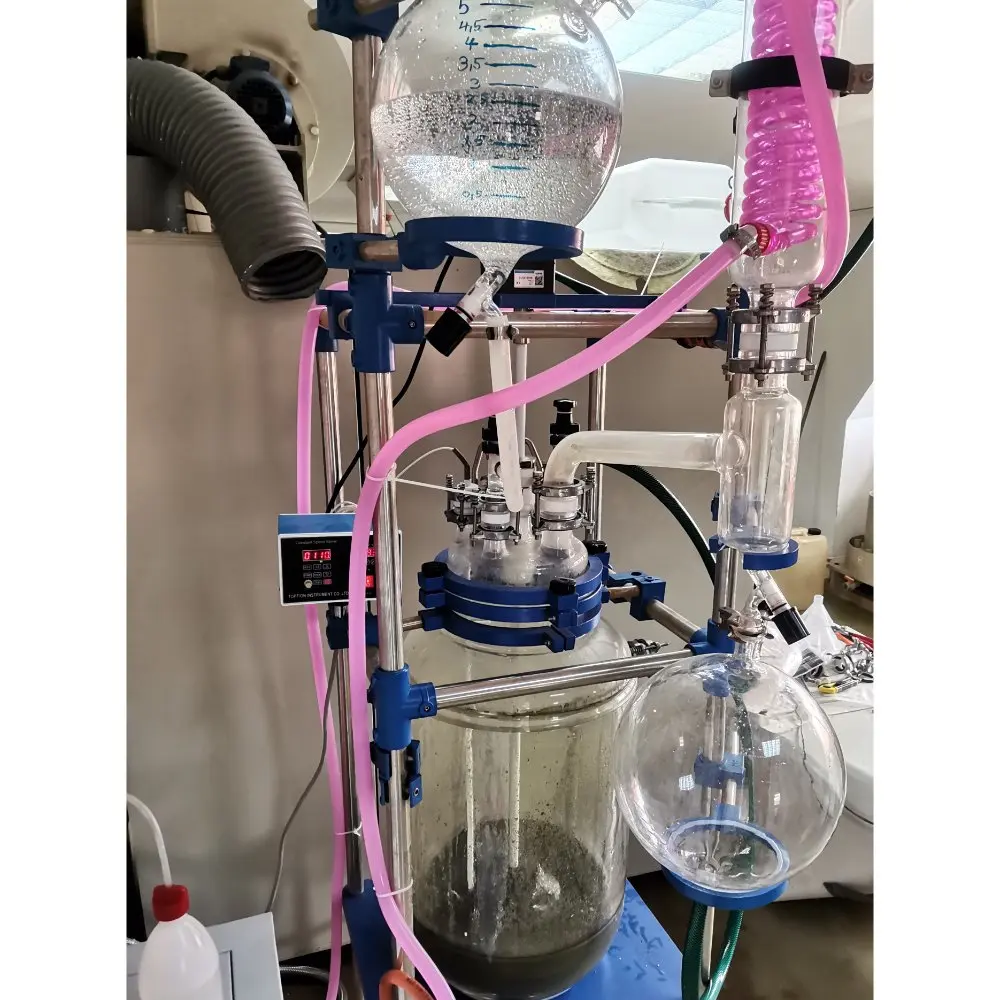
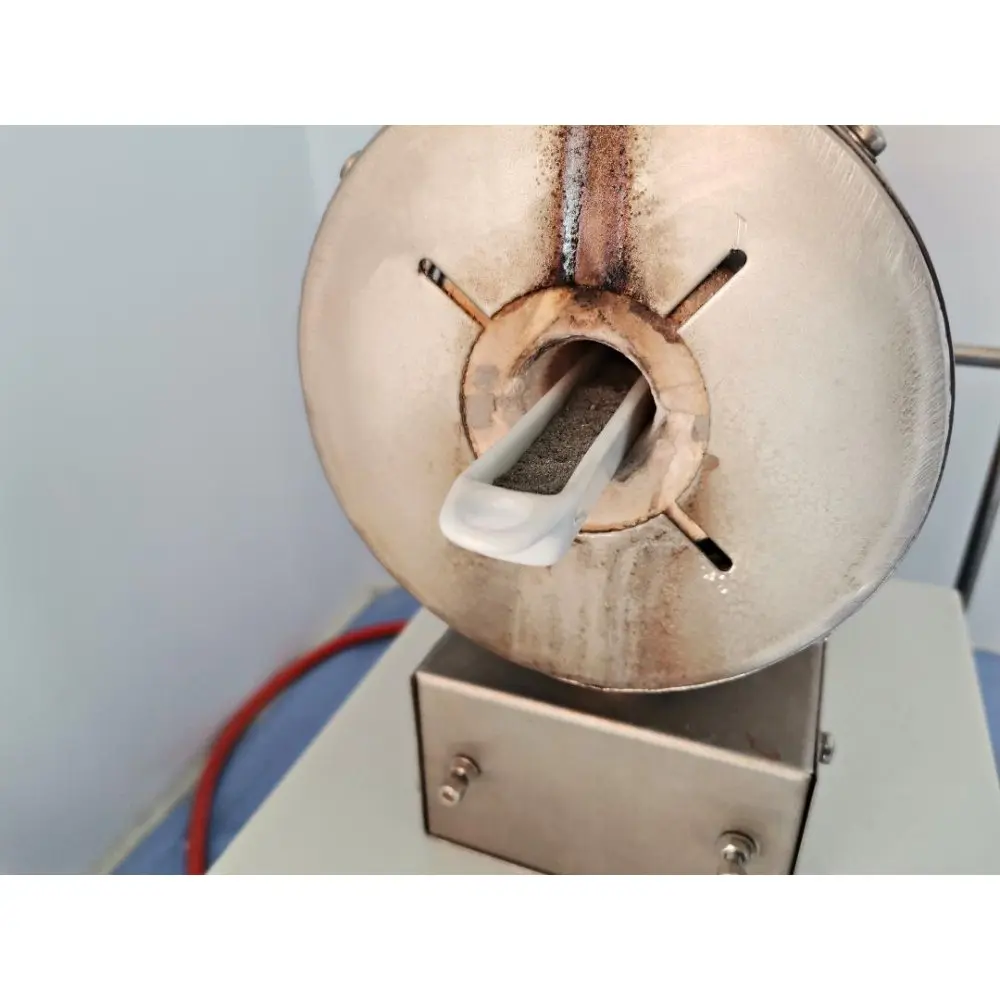
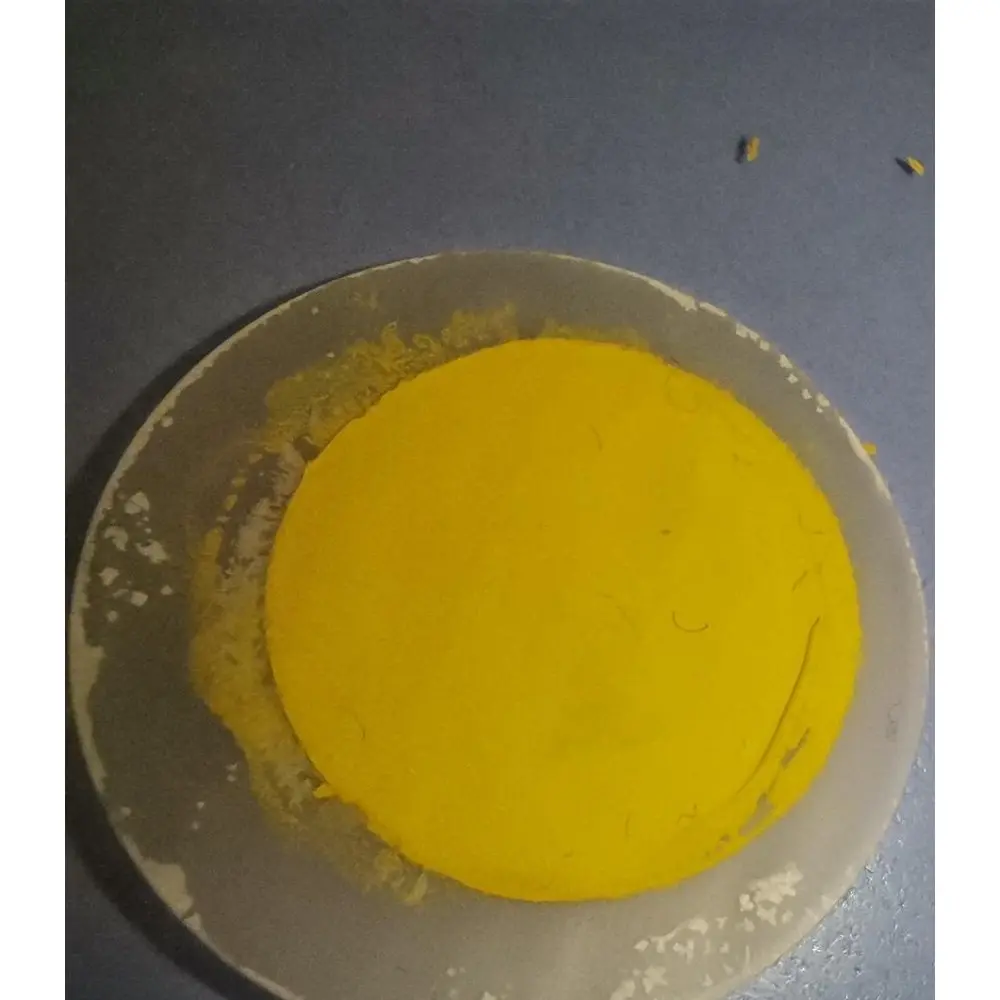
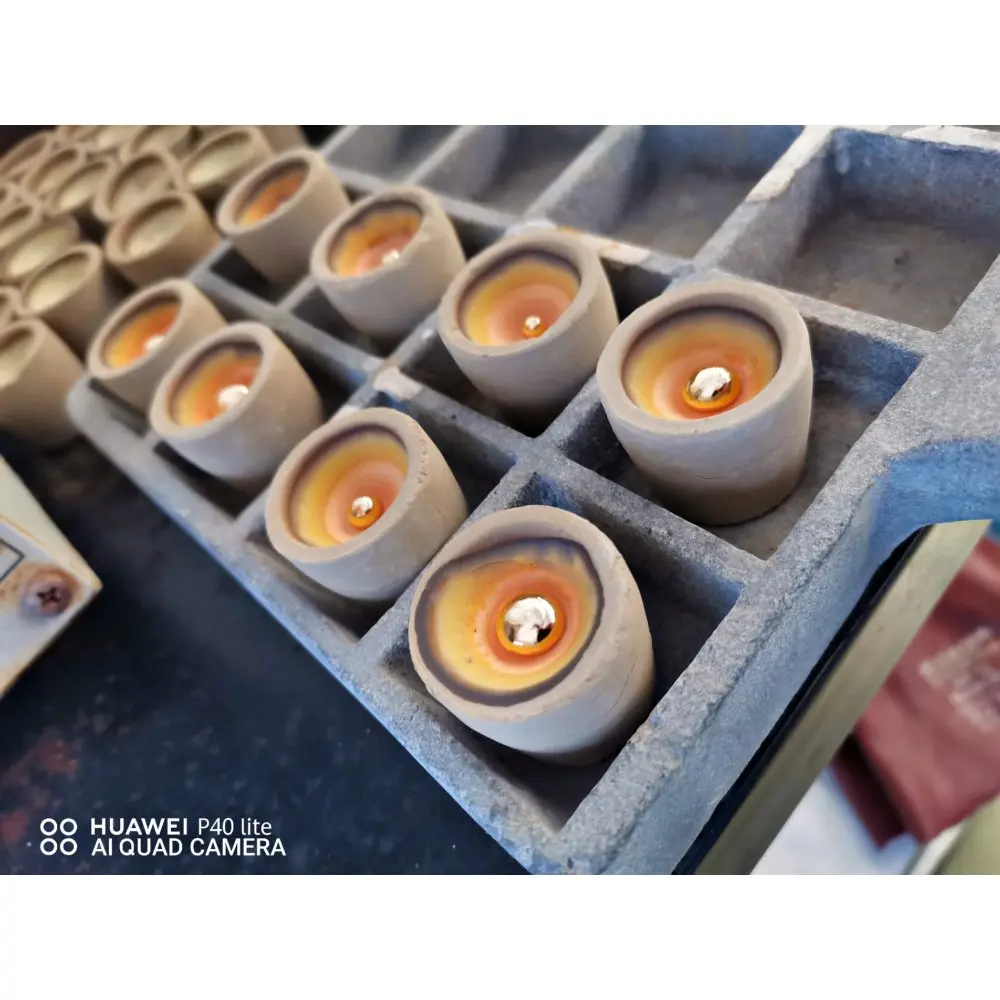
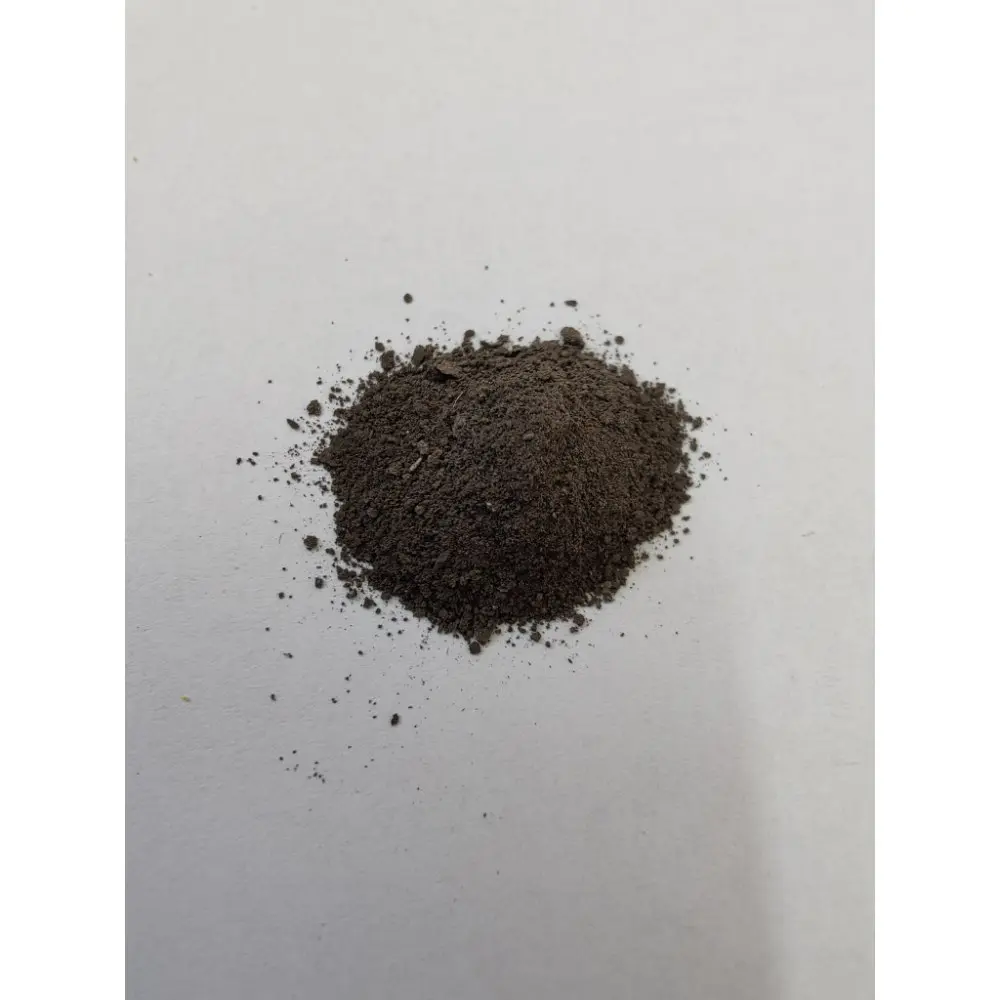
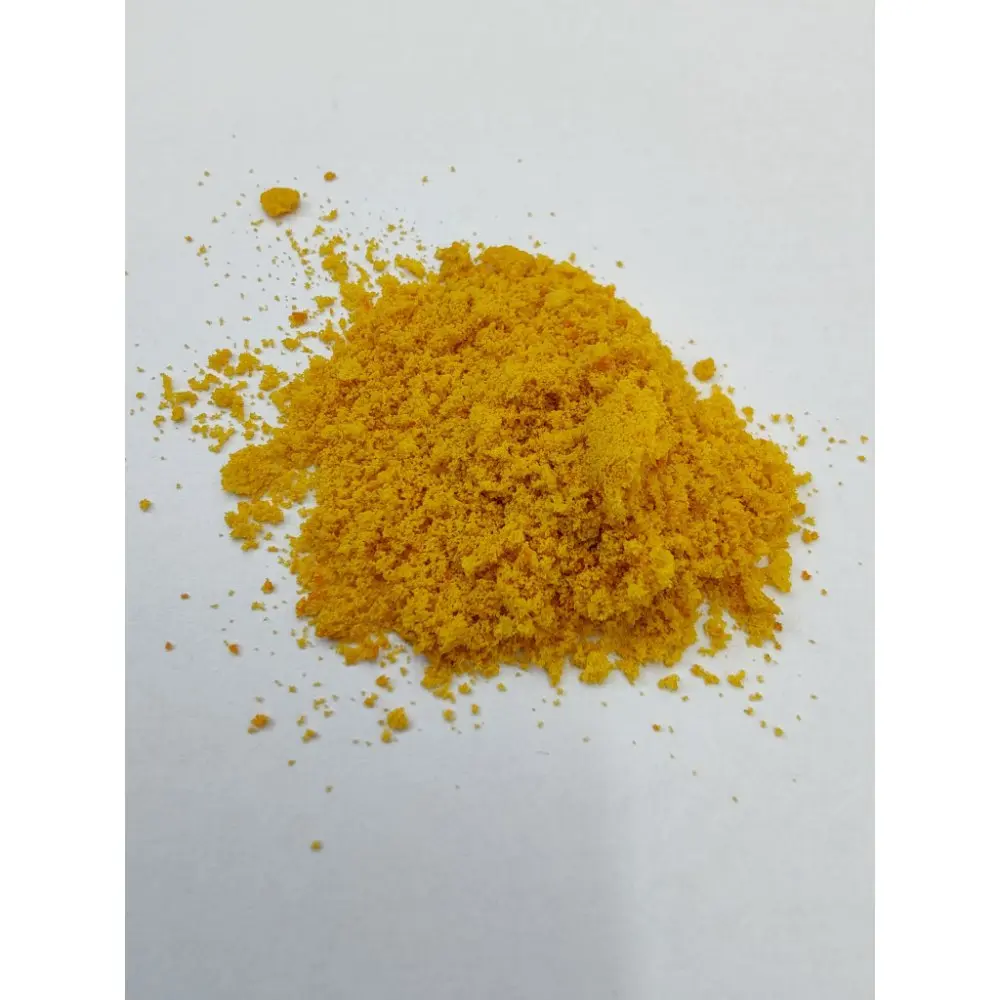
The project “Implementation of technology for recovering platinum group metals from automotive catalytic converters” successfully developed and implemented a technology for recovering platinum group metals from spent automotive catalysts and purifying them, with a positive impact on the company's development and environmental protection. The results indicate a platinum group metal recovery rate of over 95% and metal purity of over 99%.
Dissemination:
- Conference “The 13th International Symposium of the Romanian Catalysis Society and the “Catalysis for promising Future” Summer School
Title: Heterogeneous catalysts: structure – activity relation. Case study: catalysts with design porosity.
Authors: Mihaela D. Lazar, Mihet Maria
(https://www.chimie.unibuc.ro/romcat/index.html)
Presentation type: oral presentation
Date: 20–24 June 2022
Location: Baile Govora, Romania
- Conference (registration confirmed) XXVIII International Conference on Chemistry, 27-29.10.2022, Oradea, Romania
Title: Platinum recovery from acid solutions obtained by dissolving from spent auto catalysts,
Authors: Angela Kasza, Monica Dan, Gabriel Katona, Tibor Dezso, Diana Lazar
- Technical and scientific event (workshop) to disseminate the results of project 33PTE/2020, “Implementation of technology for recovering platinum group metals from automotive catalytic converters”, funded by the Executive Agency for Higher Education, Research, Development and Innovation Funding.
- Scientific article accepted for publication in Studia Ambientum: “ Platinum recovering from used auto catalysts: dissolution and precipitation studies” The article's authors are: Angela Kasza (1), Gabriel Katona (2), Diana Lazar (1), Monica Dan (1), Tibor Dezso (2), Maria Mihet (1), Cezara Voica (1), Oana Grad (1), Nagy Ruben, Bors Tihamer
(1) Institute affiliation (2) Company affiliation